
Noticing an old dog’s jaw quivering can be alarming, especially when it happens at rest or without any obvious trigger.
Mild trembling may seem harmless at first, but jaw quivering in senior dogs often points to pain, neurological changes, or an underlying medical condition that should not be ignored.
Table of Contents
Old Dog Quivering Jaw: Why It Happens
Jaw quivering in old dogs is most often caused by pain, dental disease, neurological changes, or metabolic imbalances rather than normal aging alone.
As dogs grow older, the nerves and muscles controlling the jaw become more sensitive to inflammation, toxins, and degeneration.
Problems affecting the teeth, jaw joints, brain, or internal organs can disrupt normal muscle control and trigger trembling.
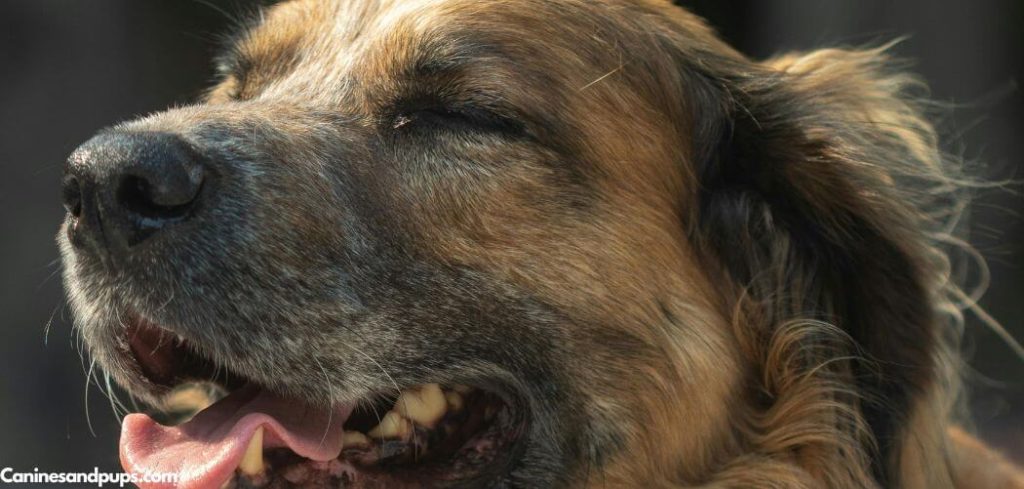
Old Dog Quivering Jaw: Symptoms
A quivering or trembling jaw in an older dog can be caused by dental issues, pain, anxiety, or neurological changes. While occasional trembling may be mild, frequent or persistent jaw quivering often signals an underlying problem that needs attention.
Visible trembling or chattering of the jaw
Difficulty eating or dropping food
Drooling or reluctance to chew
Signs of oral discomfort (pawing at the mouth or face)
Episodes of trembling that occur at rest or during stress
Possible weakness or facial muscle changes
Old Dog Quivering Jaw: Common Causes
Dental Disease and Oral Pain
Dental problems are one of the most common causes of jaw quivering in senior dogs.
Advanced periodontal disease, tooth root infections, fractured teeth, or gum inflammation can cause significant pain.
When the jaw muscles attempt to stabilize a painful area, they may tremble involuntarily. Jaw quivering caused by dental pain is often worse during chewing or after eating.
You may also notice bad breath, drooling, reluctance to eat hard food, or sensitivity when the mouth is touched.
Related: Old dog bad teeth (Causes explained)
Temporomandibular Joint (TMJ) Disorders
The temporomandibular joint connects the jaw to the skull and plays a crucial role in chewing and jaw movement.
In older dogs, arthritis or degeneration of this joint can cause stiffness, discomfort, and trembling.
Jaw quivering related to TMJ issues may appear when your dog opens or closes their mouth or after extended use of the jaw.
This type of quivering may worsen over time and is often accompanied by reduced jaw mobility or reluctance to yawn.
Read more: Old Dog Muscle Spasms (When to worry)
Neurological Disorders
Neurological changes are a serious but common contributor to jaw tremors in senior dogs.
Conditions affecting the brain or cranial nerves, such as brain tumors, inflammatory brain disease, or nerve degeneration, can disrupt signals controlling jaw muscles. This disruption may result in rhythmic quivering, twitching, or involuntary movements.
Neurological causes are especially concerning if jaw quivering occurs alongside seizures, head tilt, confusion, or changes in behavior.
Kidney Disease
Chronic kidney disease is a frequent underlying cause of trembling in older dogs, including jaw quivering.
As kidney function declines, toxins build up in the bloodstream and irritate the nervous system. These toxins can interfere with muscle control, leading to tremors that may affect the jaw, face, or entire body.
Dogs with kidney disease often show additional signs such as increased thirst, frequent urination, appetite loss, weight loss, and lethargy.
Pain Elsewhere in the Body
Jaw quivering does not always originate from the mouth or jaw itself. Severe pain elsewhere in the body, such as from arthritis, spinal disease, or internal illness, can cause generalized trembling that includes the jaw.
In these cases, quivering is part of a stress or pain response rather than a localized jaw problem.
You may notice stiffness, difficulty walking, or changes in posture alongside the jaw tremors.
Stress
Emotional and cognitive changes can also trigger jaw quivering in older dogs. Senior dogs with anxiety or cognitive dysfunction may tremble when they feel confused, overstimulated, or distressed.
Jaw quivering linked to anxiety often occurs during stressful situations, nighttime restlessness, or unfamiliar routines.
This type of trembling may be accompanied by pacing, vocalizing, staring, or changes in sleep patterns.
Old Dog Quivering Jaw: What to Do
Start by keeping your dog calm and comfortable. Avoid touching or manipulating the jaw unless necessary, as this may increase discomfort if pain is present. Offer soft food instead of hard kibble to reduce strain on the jaw and teeth.
Observe when the quivering occurs. Note whether it happens at rest, during eating, or alongside other symptoms such as drooling or appetite changes. This information is very helpful for your veterinarian.
Ensure your dog stays hydrated and continues eating. Jaw quivering combined with appetite loss should never be ignored in an older dog.
Provide a quiet, low-stress environment, especially if your dog shows signs of anxiety or confusion.
When to Call or Visit Your Vet
Contact your veterinarian promptly if jaw quivering is frequent, persistent, or worsening.
Immediate veterinary care is essential if quivering is accompanied by seizures, confusion, head tilt, difficulty eating, excessive drooling, foul breath, or sudden behavior changes.
You should also seek evaluation if your dog has known kidney disease, neurological conditions, or dental problems, as jaw tremors may signal disease progression.
Jaw quivering is not a normal part of aging and should always be medically assessed.
Old Dog Quivering Jaw: Treatment
Treatment depends on identifying the underlying cause. If dental disease or oral pain is present, your vet may recommend a dental exam, cleaning, or treatment for infected teeth and gums.
If neurological or muscle-related issues are suspected, further diagnostics such as bloodwork or neurological exams may be performed. Treatment may include medications to manage pain, inflammation, or nerve-related conditions.
In cases related to anxiety or mild tremors, calming medications or supplements may be suggested. Early evaluation helps ensure appropriate treatment and prevents worsening of the condition.
Key Takeaway
Jaw quivering in an old dog is a sign that something is affecting the muscles, nerves, or pain pathways of the body. While stress or mild anxiety can sometimes play a role, most cases are linked to dental disease, joint degeneration, neurological conditions, or internal illness.
Because senior dogs often hide pain, jaw trembling may be one of the earliest clues that your dog needs help. Early veterinary evaluation can identify the underlying cause, relieve discomfort, and protect your dog’s quality of life as they age.


